
Greenwashing 101: Decoding Misleading Marketing
- UDGAM The Social Club
- Jan 13, 2024
- 2 min read

Updated: Jul 13, 2024
Dear Reader,
Today, we're focusing on a topic that significantly impacts our planet and the decisions we make as consumers- Greenwashing - A trick used by organizations to make themselves look extremely environmentally friendly, even if their actual environmental efforts are minimal.
Environmentalist Jay Westerveld coined "greenwashing" in 1986 when he uncovered hotels' misleading endeavours to appear environmentally friendly by endorsing towel reuse without channelling saved funds into actual environmental conservation.
So, why should we care about greenwashing? The reasons are compelling:
Deceptive environmental claims misguide consumers who seek environmentally conscious brands, thus preventing informed and sustainable choices
Greenwashing results in Unfair Competition between genuine eco-conscious brands and their deceptive greenwashing competitors
Greenwashing expenses could squander financial resources that could genuinely support eco-initiatives, thus failing to address pressing environmental issues
Exposed greenwashing can seriously harm a company's brand image
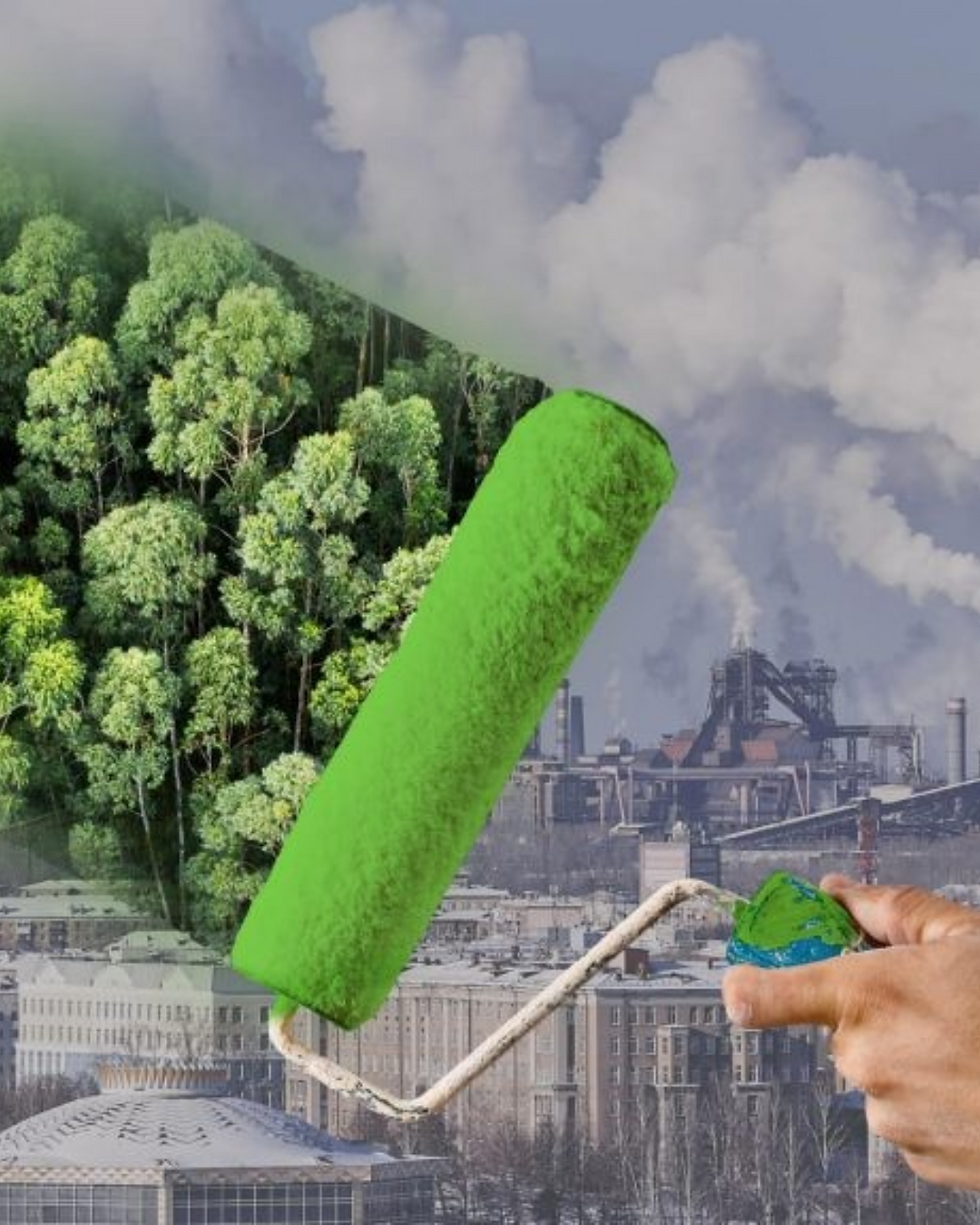
Now, the natural question is: How can we spot greenwashing and protect ourselves from falling into its trap?
Here are some tips:
Don't be fooled by natural imagery: Pictures of trees, animals, and earthy colours can all be tactics to make a product look more natural or eco-friendly.
Pay attention to the wording: Terms like "green," "all-natural," "earth-friendly," "non-toxic," and "plant-based" hold little meaning without explanations.
Familiarize yourself with recognized certifications: Seek out labels from the Bureau of Indian Standards, AGMARK, Forest Stewardship Council, and others that indicate genuine environmental commitments.
Be wary of distractions: Some claims can distract from more problematic issues with the product, e.g. a garment made from recycled materials, produced in a high-emitting factory that pollutes the air and nearby water bodies.
Examine product life cycle: Evaluate the manufacturing, utilization, packaging, and disposal practices to gauge its overall environmental impact, as some claims may only focus on one aspect.
Greenwashing affects all of us emotionally and environmentally. By being informed and vigilant consumers, we can make choices that align with our values and contribute to a healthier and more sustainable world.
With a passion for a greener future,
UDGAM


Comments